


EYETELLIGENCE PLATFORM
Surgical Workflow Apps:
Zero to One

PRODUCTS (2) Surgical Plan & Surgical Intelligence
CLIENT Bausch+Lomb
TEAM UX Lead (Myself), Business Analyst, Project Manager, Managing Partner, Architect, Tech Lead, 3 Mobile Engineers
PROCESS Design Sprint & Agile Development
YEAR 2018 - 2019
ROLE UX Lead
RESPONSIBILITIES:
Led all UX design for two complementary applications throughout development
Partnered with stakeholders to run design labs with surgeons, mapping clinical workflows and identifying pain points
Designed data visualization systems and UI architecture for complex surgical data
Expanded project scope from device dashboard to full workflow suite through strategic discovery
Iterated designs in agile sprints based on continuous surgeon feedback

The Challenge
Eye surgeons needed to improve efficiency and reduce costs while managing complex clinical workflows.
They relied on paperwork and manual calculations throughout the surgical journey: preoperative planning, patient consulting, real-time intraoperative decision-making, and postoperative analysis.
Bausch + Lomb engaged my team to reimagine how surgeons interact with clinical data throughout this workflow. The goal was to create applications that would integrate IoT device data with clinical information, enabling scenario planning and data-driven surgical decisions—building a new foundation from scratch.
USER RESEARCH
Discovery
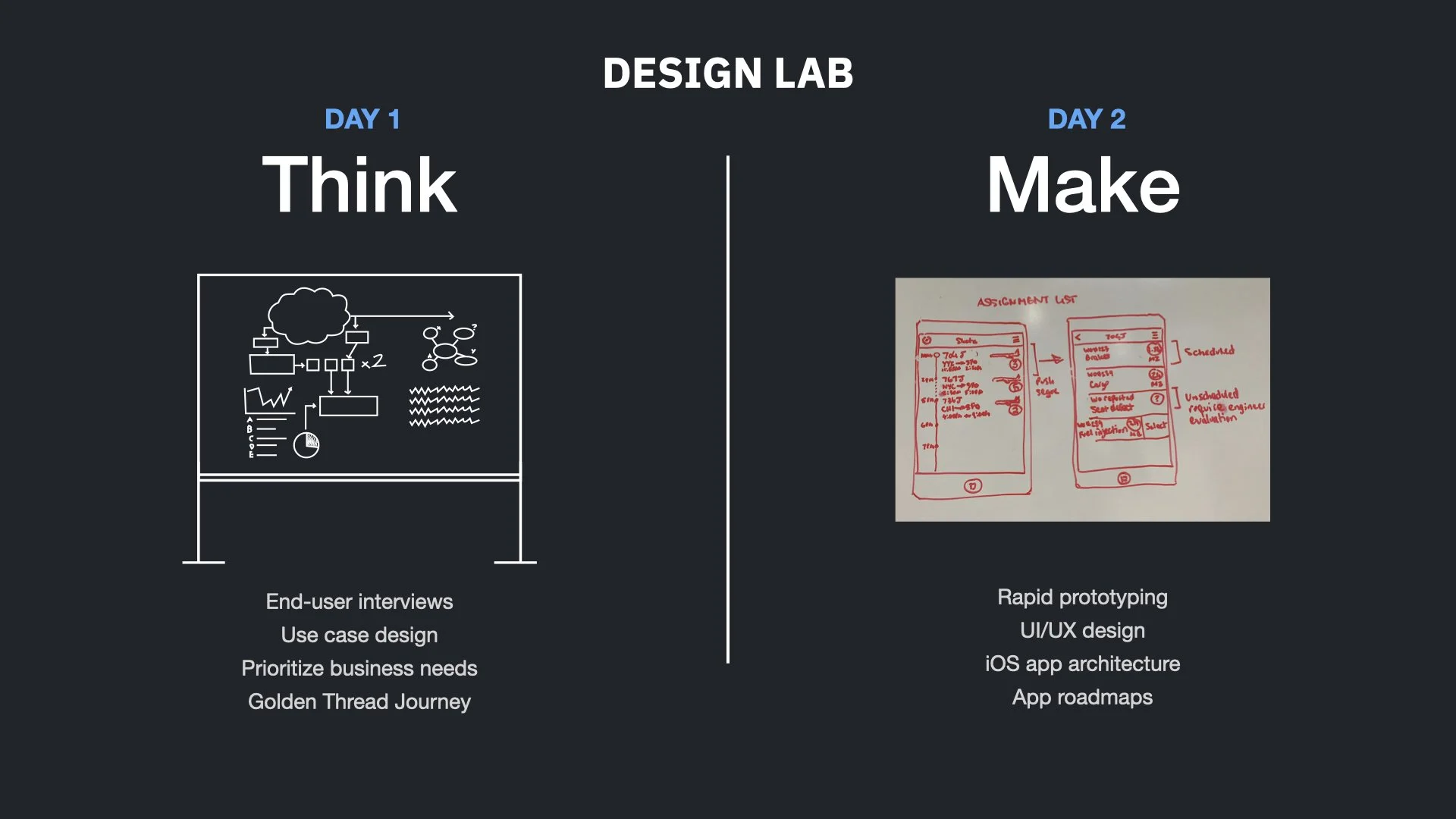
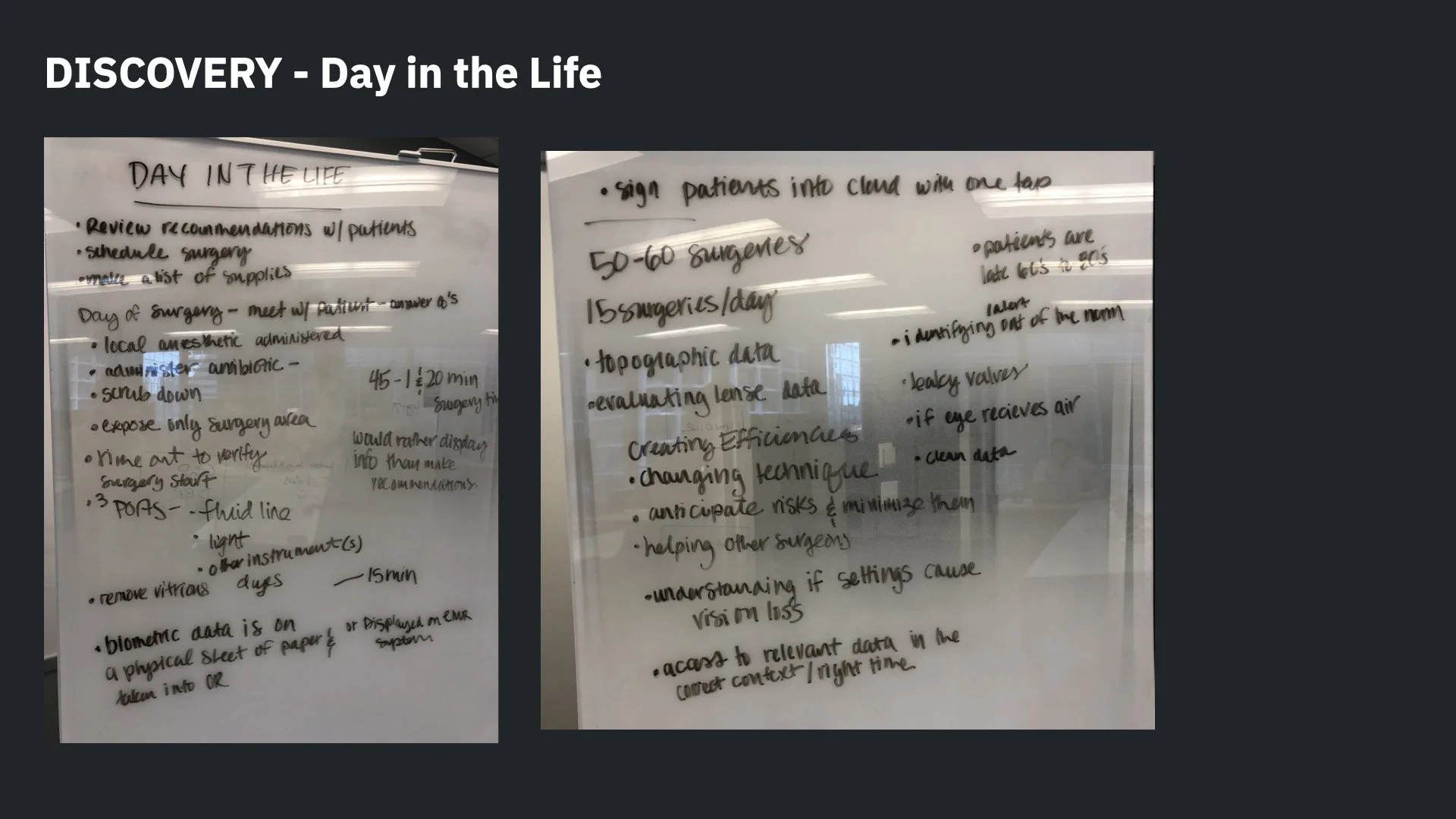
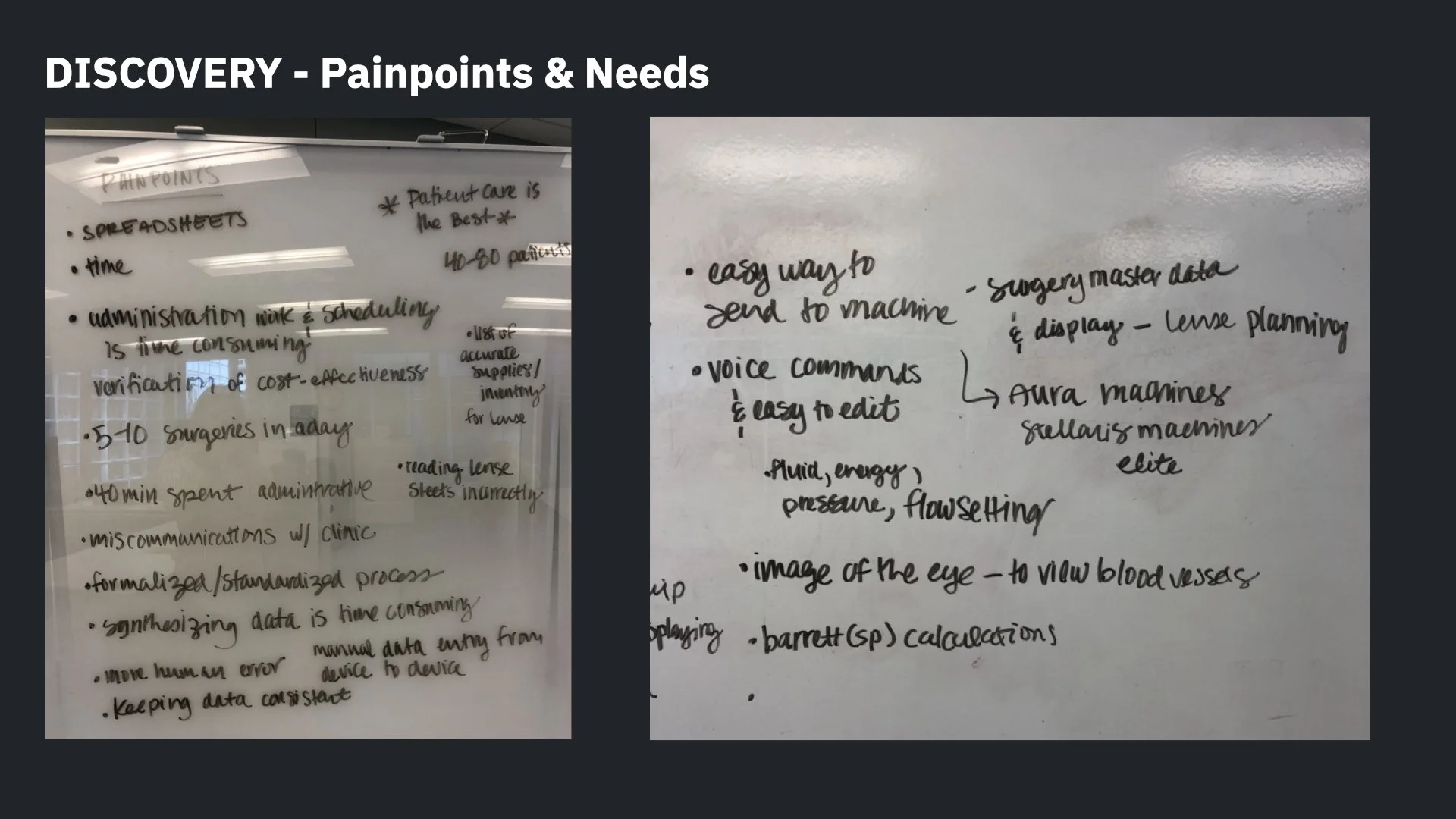
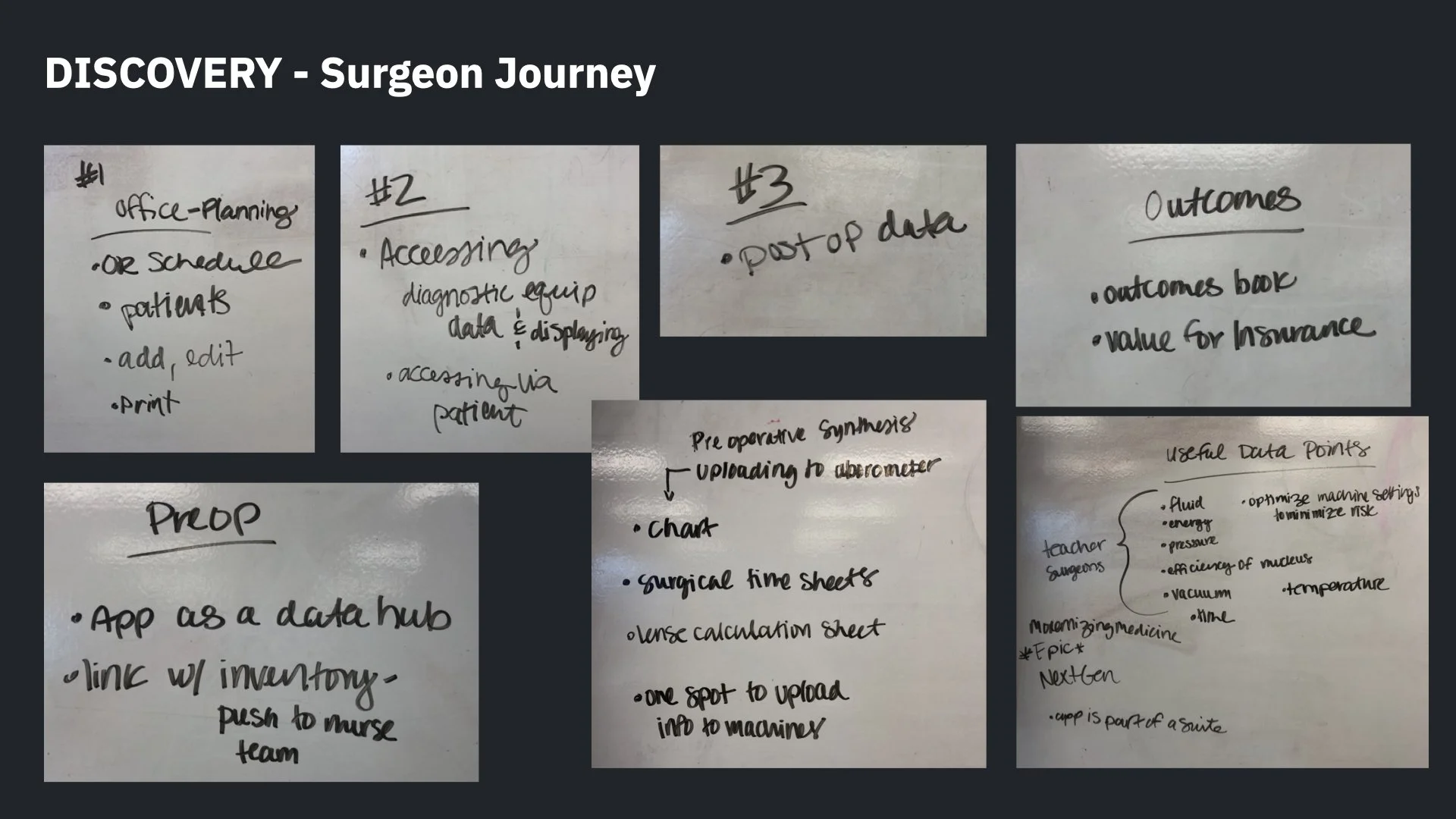
I led a 2-day intensive design lab with Bausch + Lomb stakeholders and surgeons to understand the current surgical workflow. We interviewed surgeons, documented their day-in-the-life journeys, identified pain points, and whiteboarded potential solutions.
Through these sessions, we discovered surgeons were managing complex workflows with spreadsheets, paperwork, and manual calculations across three critical phases: preoperative planning, intraoperative execution, and postoperative analysis.
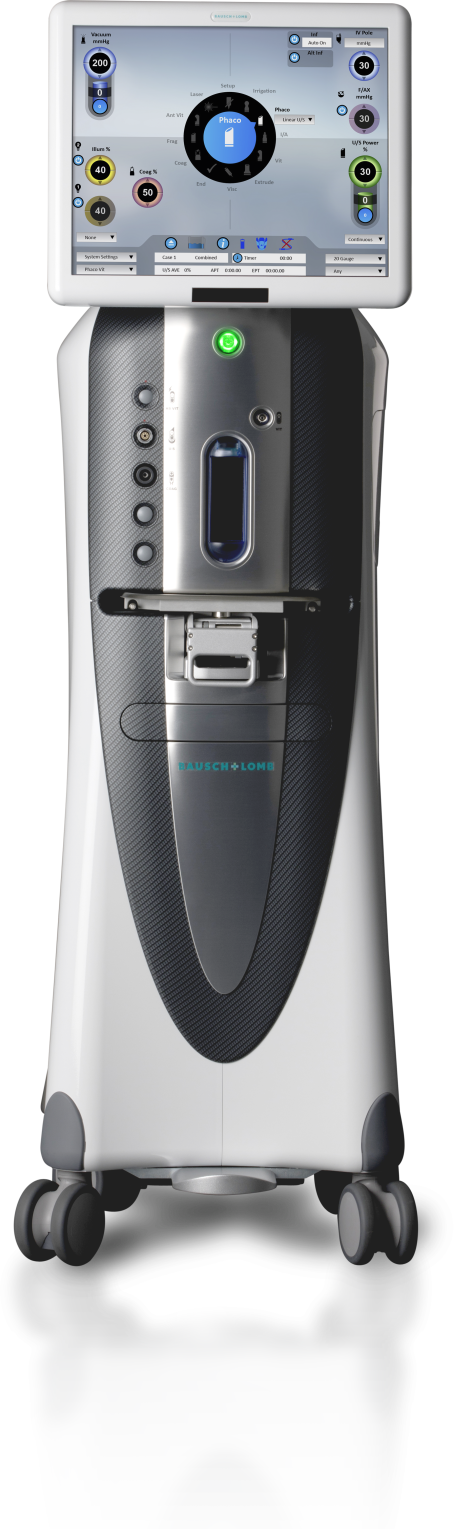
B+L had initially requested a simple dashboard to display data from their Stellaris Elite surgical device.

STRATEGIC FRAMEWORK
User Journey Scenarios
After understanding ophthalmology workflow operations, I recognized a gap:
The full surgical workflow required supporting multiple user types with distinct needs, not just surgeons analyzing device data.
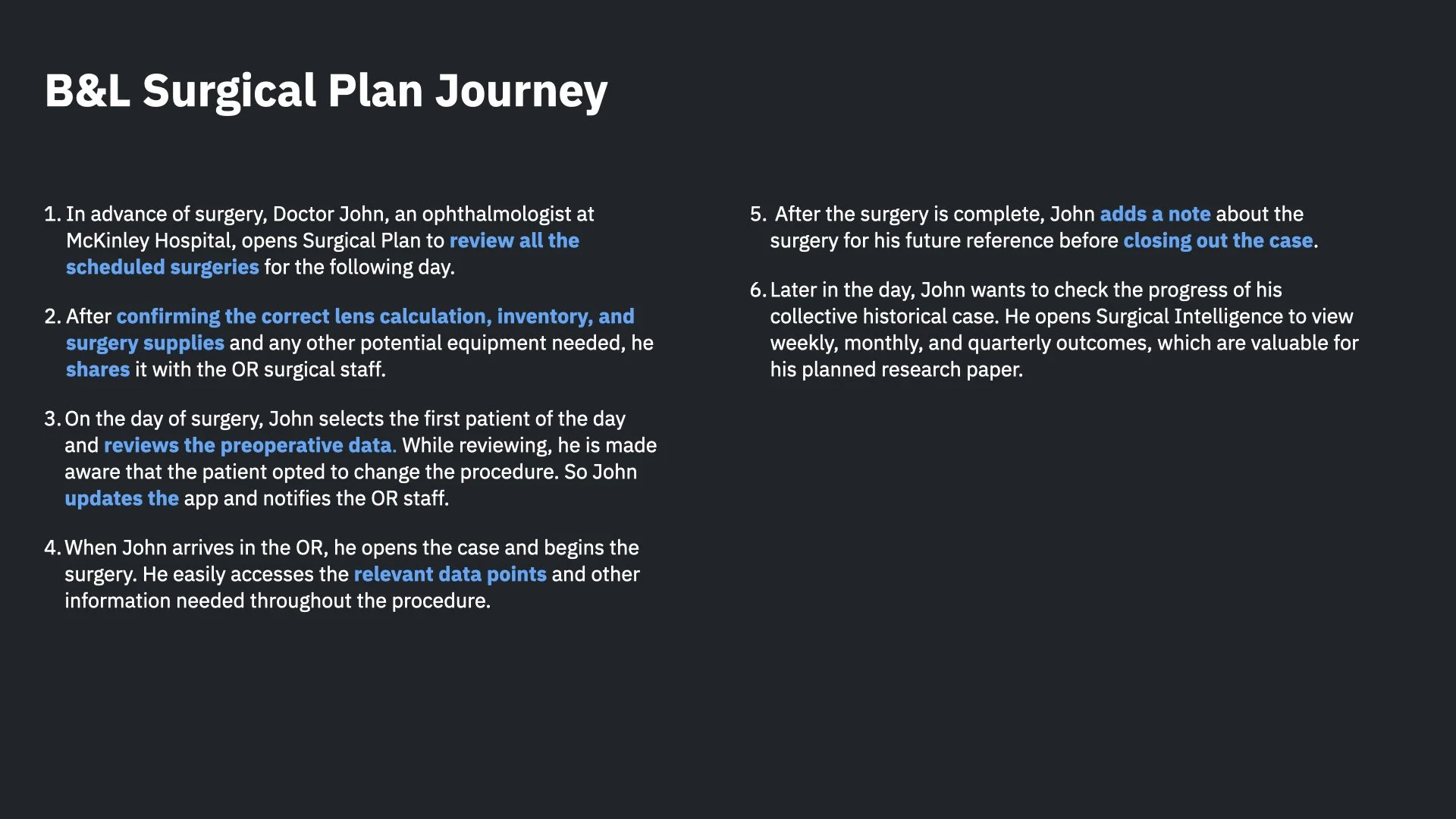
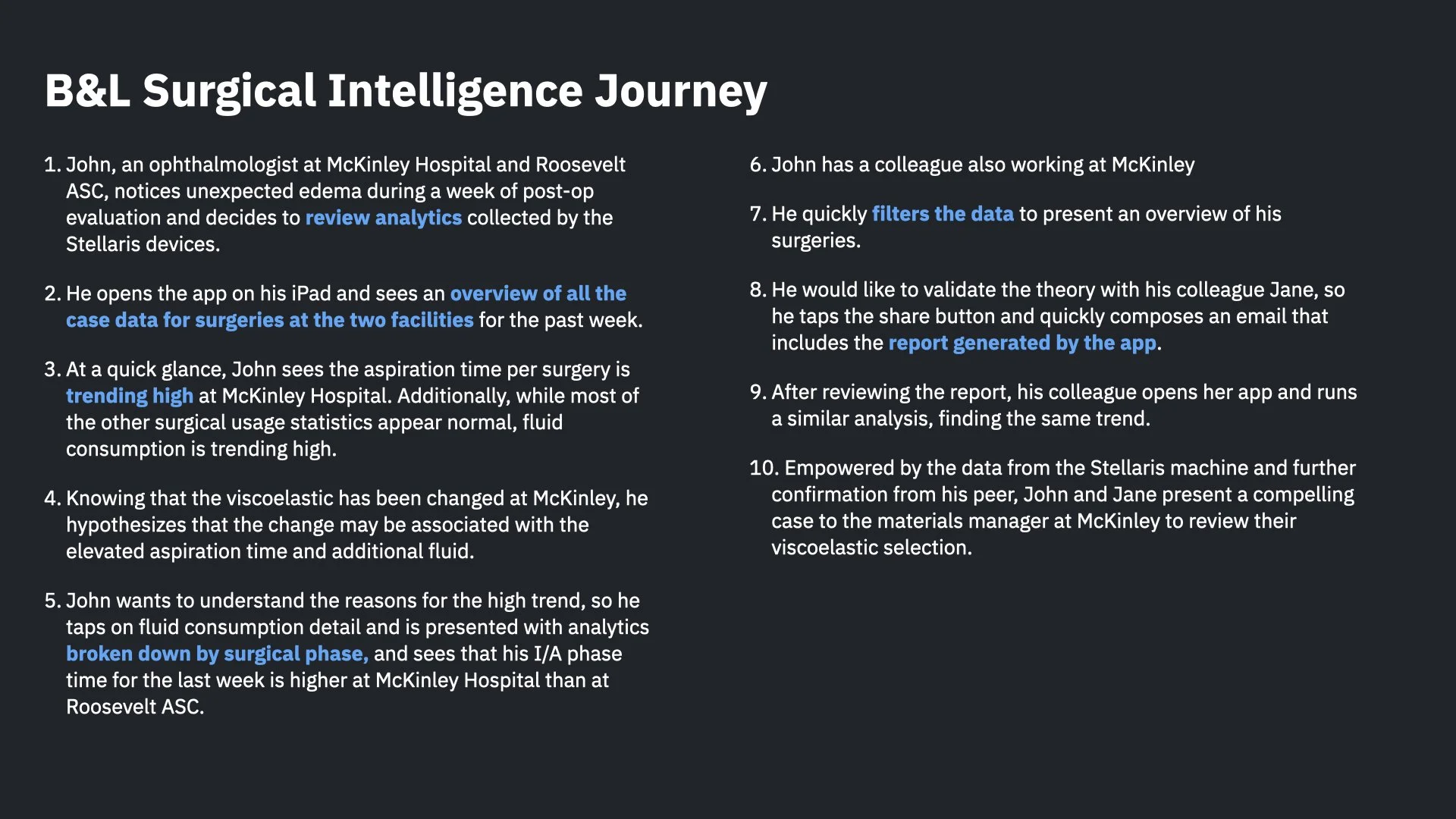
I created user journey scenarios for two groups—surgical staff managing logistics and surgeons analyzing outcomes. These ideal narratives guided all subsequent design decisions, mapping how different users would interact with each app throughout a typical surgical day.
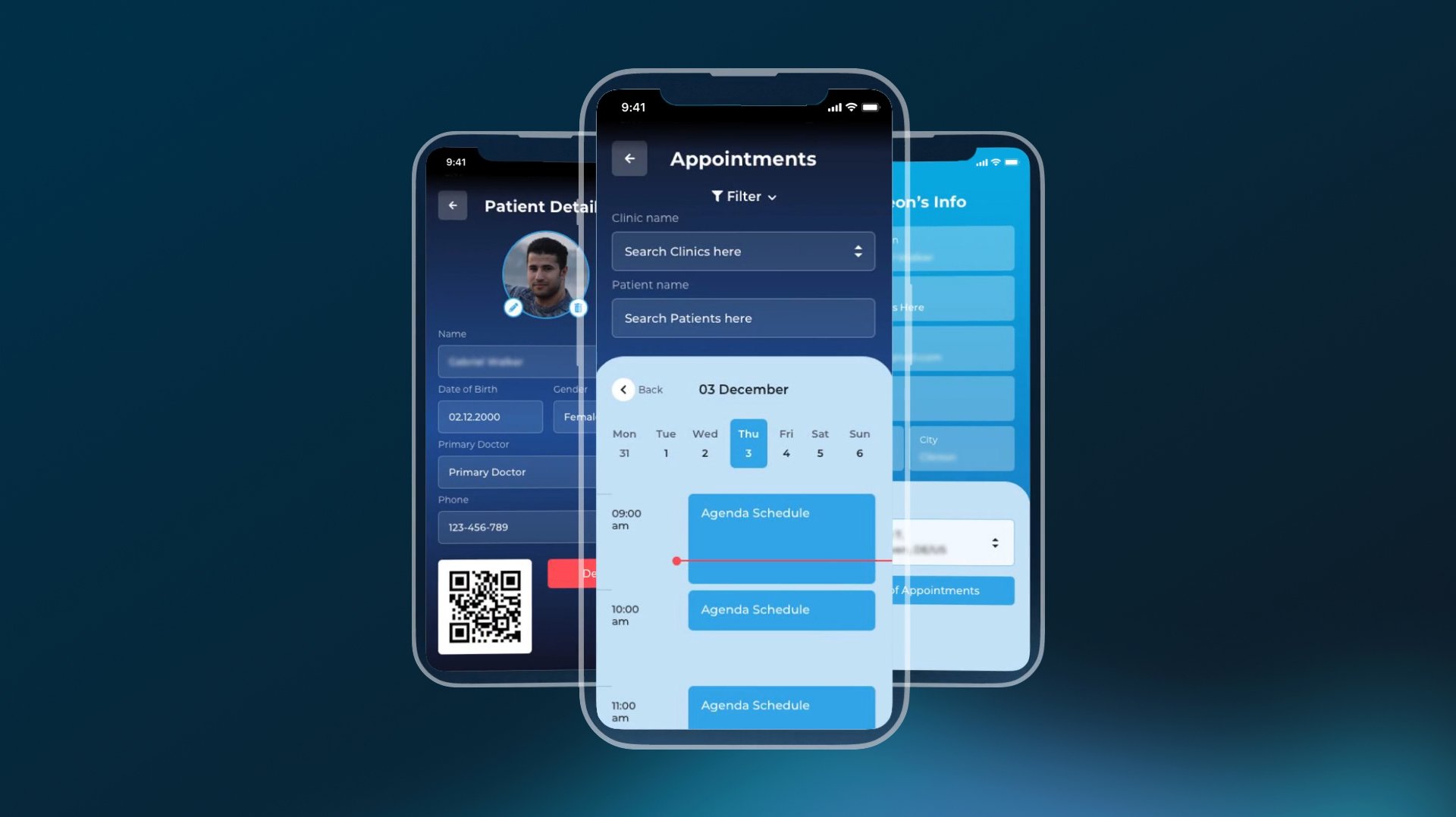
I designed them as separate but complementary tools: Surgical Plan for surgical staff and assistants to manage schedules and logistics, and Surgical Intelligence for surgeons to analyze clinical outcomes and device data.
Preoperative Planning
SURGICAL PLAN
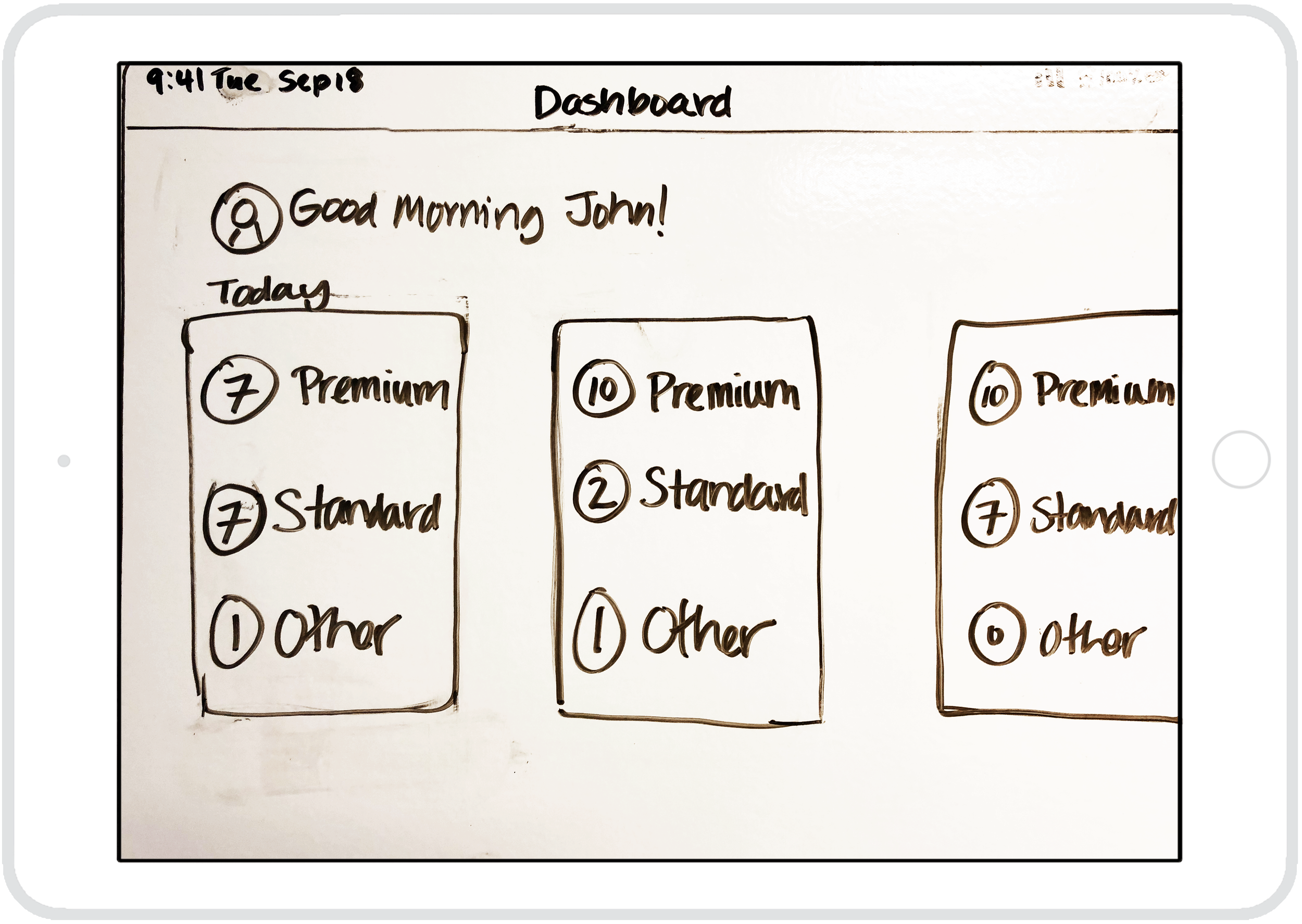
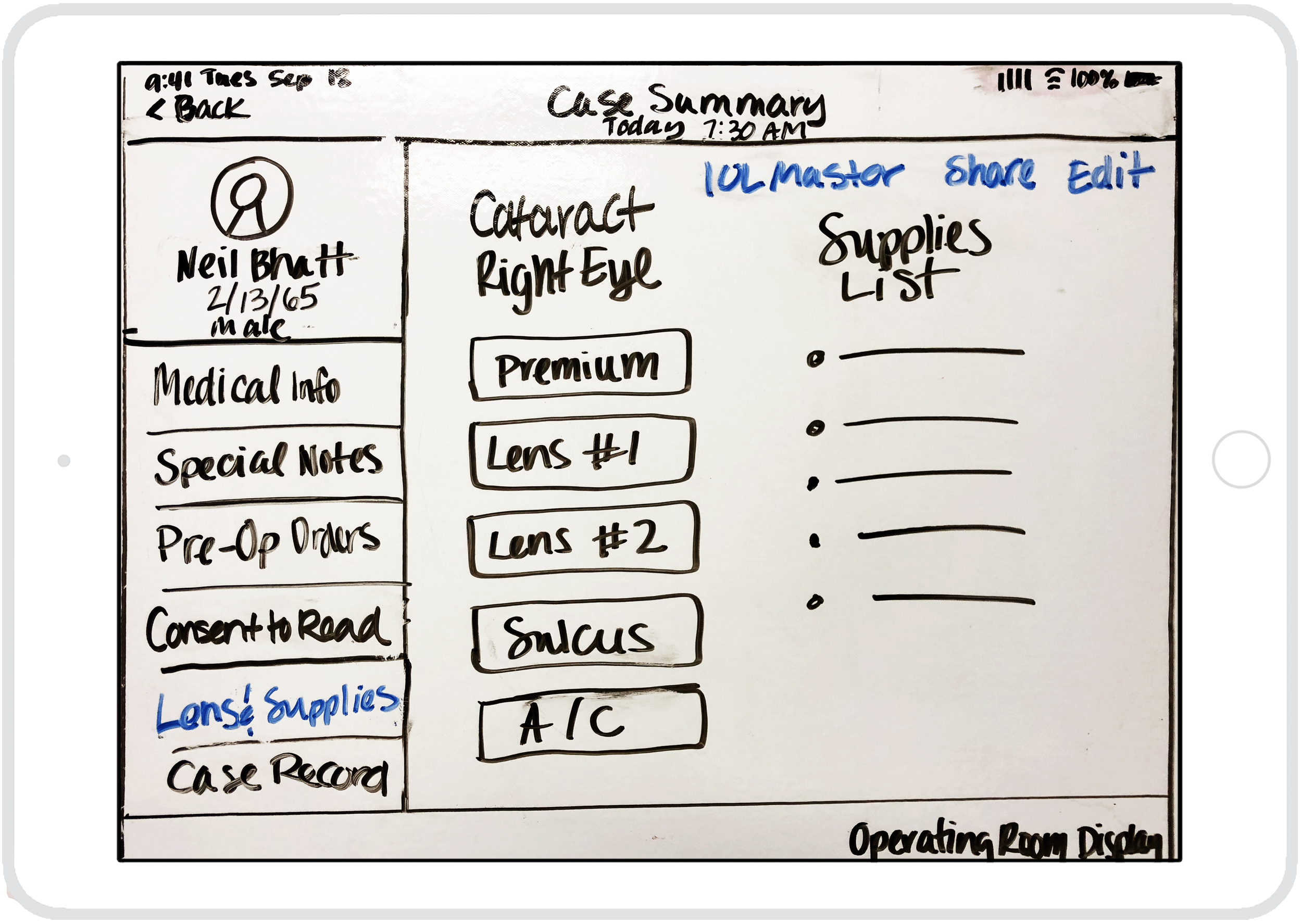
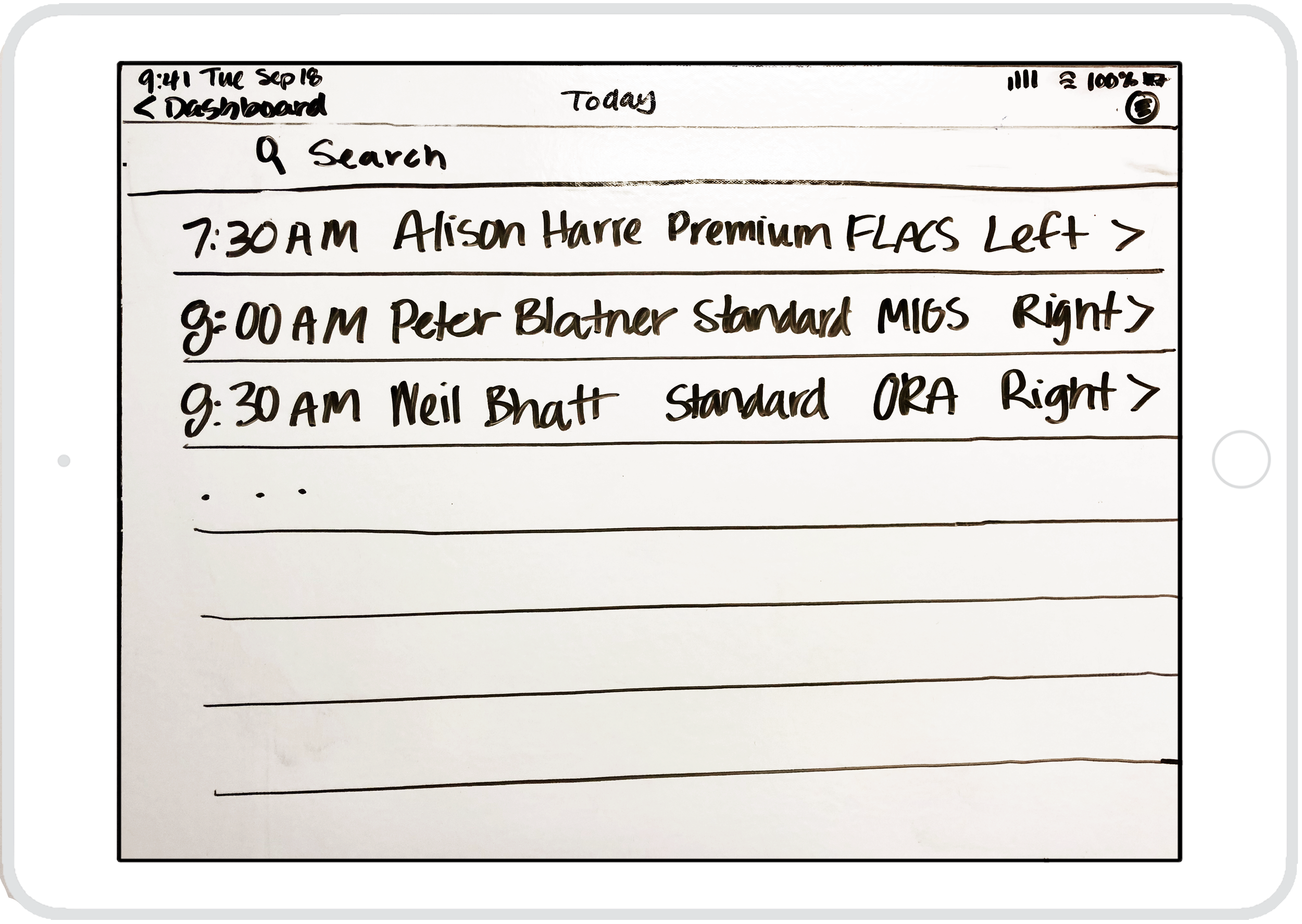
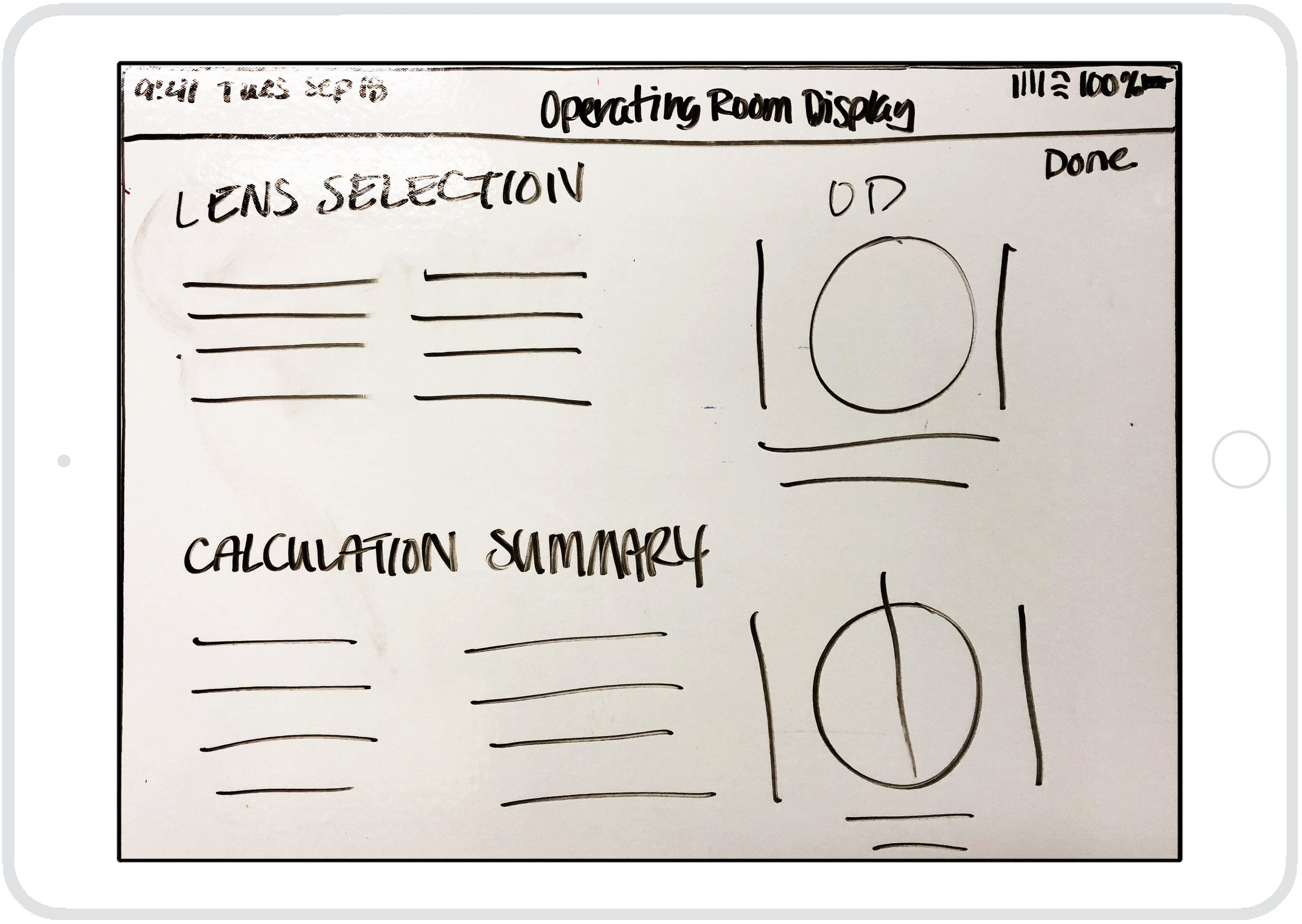
Surgical Plan supports preoperative planning and scheduling. Dr. John's surgical staff reviews scheduled surgeries, confirms lens calculations and inventory, and shares plans with OR staff. During surgery, Dr. John accesses relevant patient information and adds post-surgery notes. Later, he checks the collective case progress using Surgical Intelligence.
Intra-&-Post- Operative Synthesis
SURGICAL INTELLIGENCE
Surgical Intelligence enables comprehensive analysis of surgical data. Dr. John notices unexpected patient outcomes, reviews case data across his facilities, identifies trends in surgical metrics, drills down into specific phases, formulates hypotheses about equipment changes, filters and shares data with colleagues, and presents findings to hospital materials management—all driven by real-time device data and outcome measurements.
Surgical Plan
RAPID PROTOTYPING
I moved quickly from concept to prototype for both apps. B+L wasn't convinced a surgical planning app was necessary—I needed to demonstrate its value.
I created multiple rounds of sketches exploring scheduling interfaces, lens calculation workflows, and surgical preparation screens to get the data right. It would not be compelling without integrating the precise, realistic data surgeons need.
I developed high-fidelity screens and built an interactive Flinto prototype demonstrating the complete preoperative workflow—from reviewing scheduled surgeries to sharing plans with OR staff.

Proving Value at AAO 2018
When B+L announced it would attend the 2018 American Academy of Ophthalmology Conference, I recognized it as a critical opportunity. I pushed for our team to attend and demo both prototypes at the B+L booth. We needed feedback from practicing surgeons—the actual experts who would use these tools—to validate the two-app strategy and prove the value of the Surgical Planning concept B+L remained skeptical about.
The surgeons’ response was overwhelmingly positive for both applications. Practitioners immediately understood the value of comprehensive preoperative planning tools and validated the need for data analysis across the full surgical workflow. This direct expert feedback became the evidence that convinced B+L to move forward with development.

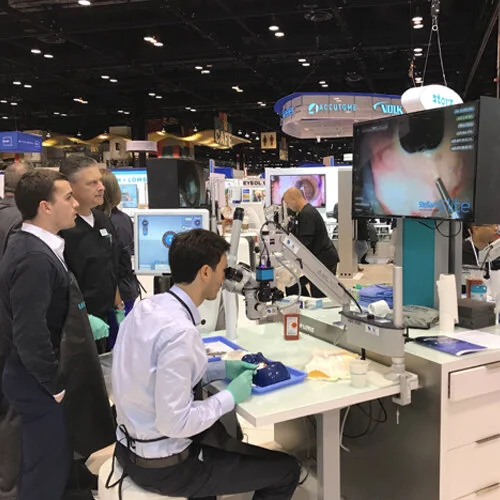
Hear from Chuck Hess, a B+L stakeholder, about the Eyetelligence platform at AAO—and see a photo I captured from the conference booth.

FROM PROTOTYPE TO PRODUCT
Surgical Intelligence
Based on the strong surgeon validation at AAO, B+L signed with IBM to develop Surgical Intelligence as an MVP in 5 sprints. Since B+L didn't initially have access to real surgical data, we worked with IBM Cloud to build a realistic data model and create mock datasets that supported development while real data integration was being prepared.
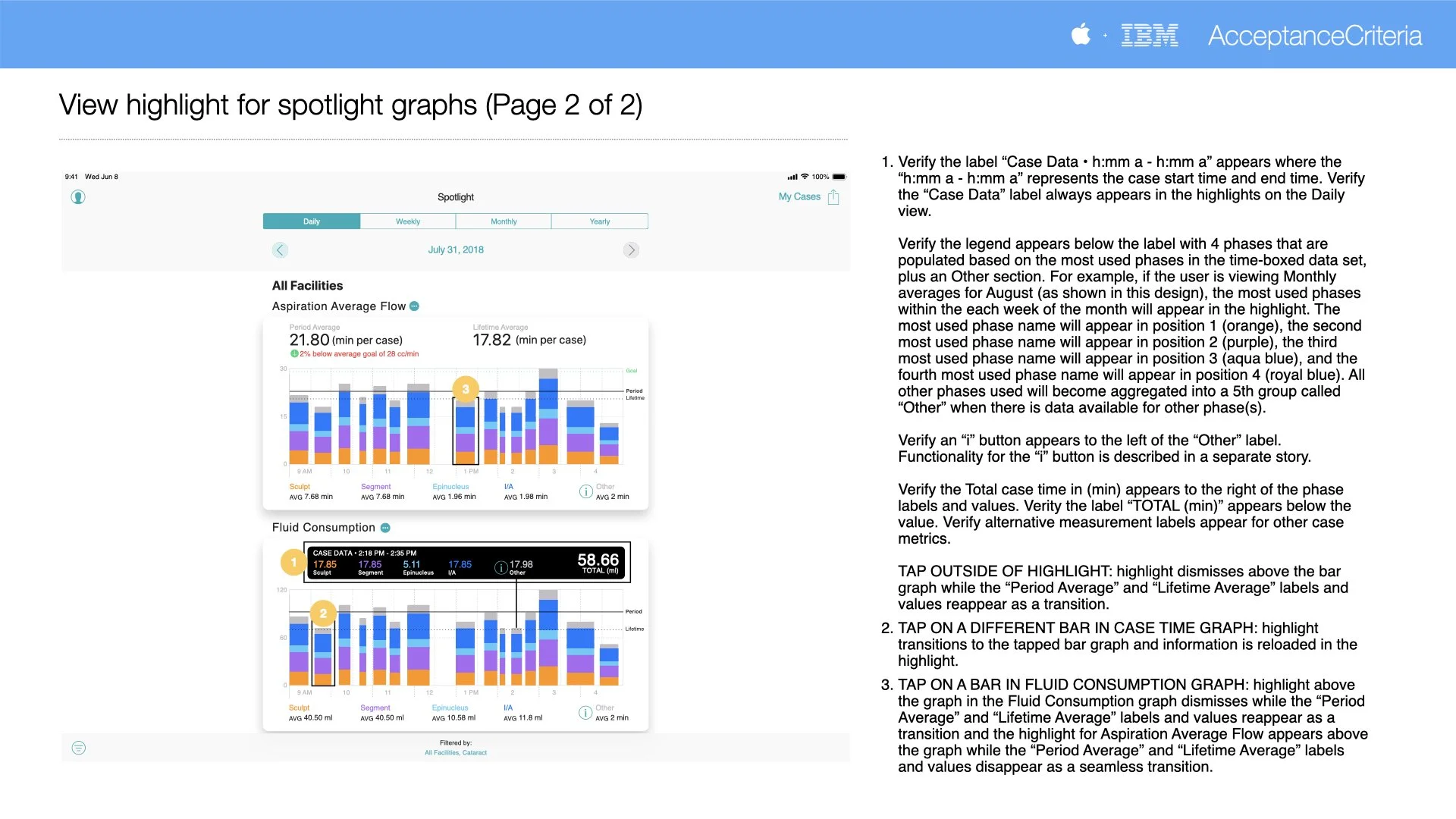
I continued iterating the interface throughout agile development, writing acceptance criteria that defined complex data visualization requirements and working directly with engineers to ensure the UI could handle continuous device data streams, drill-down analytics, and multi-facility comparisons.
As real surgical data became available, we integrated it and refined the visualizations based on how surgeons actually used the tool during beta testing.
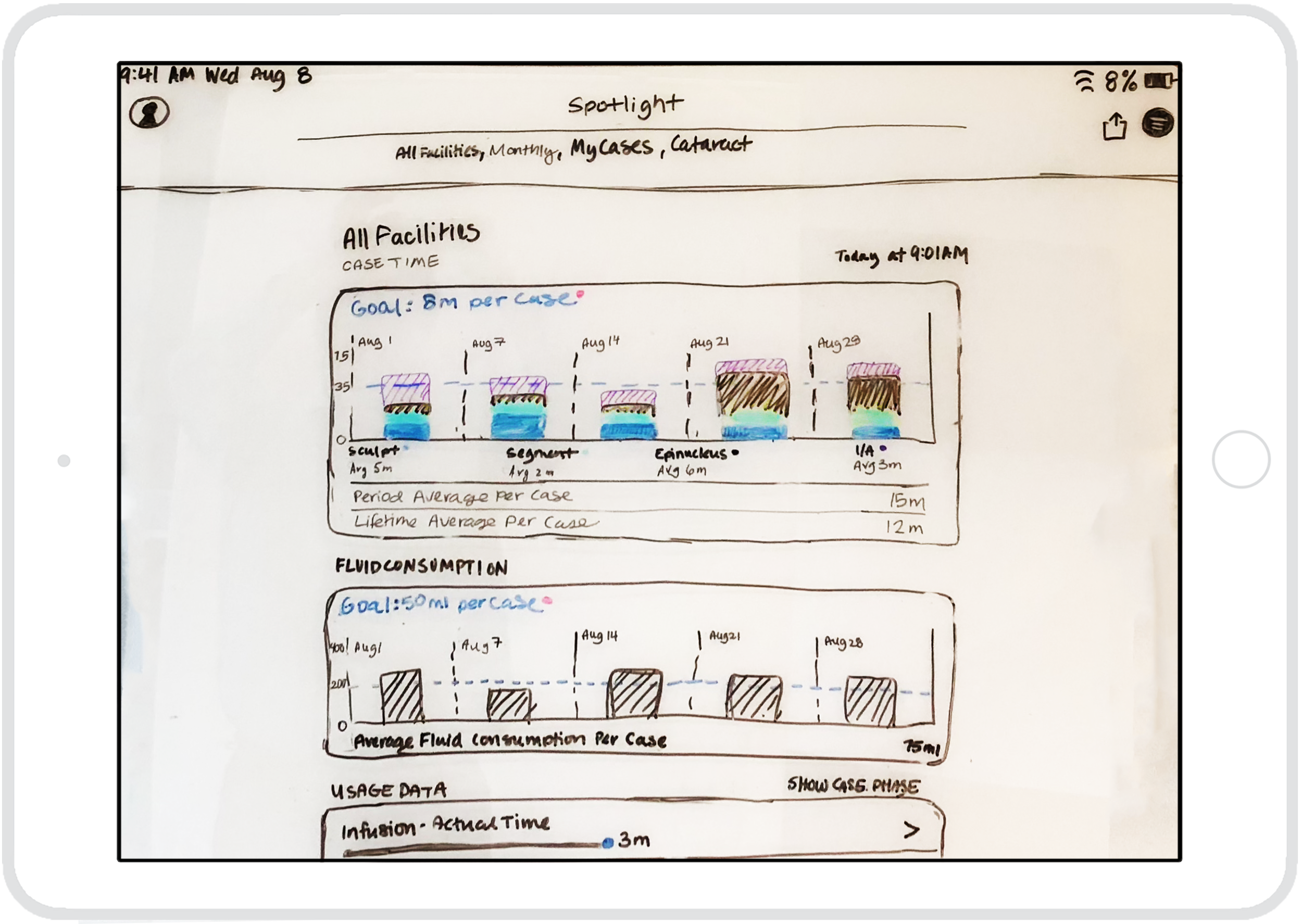
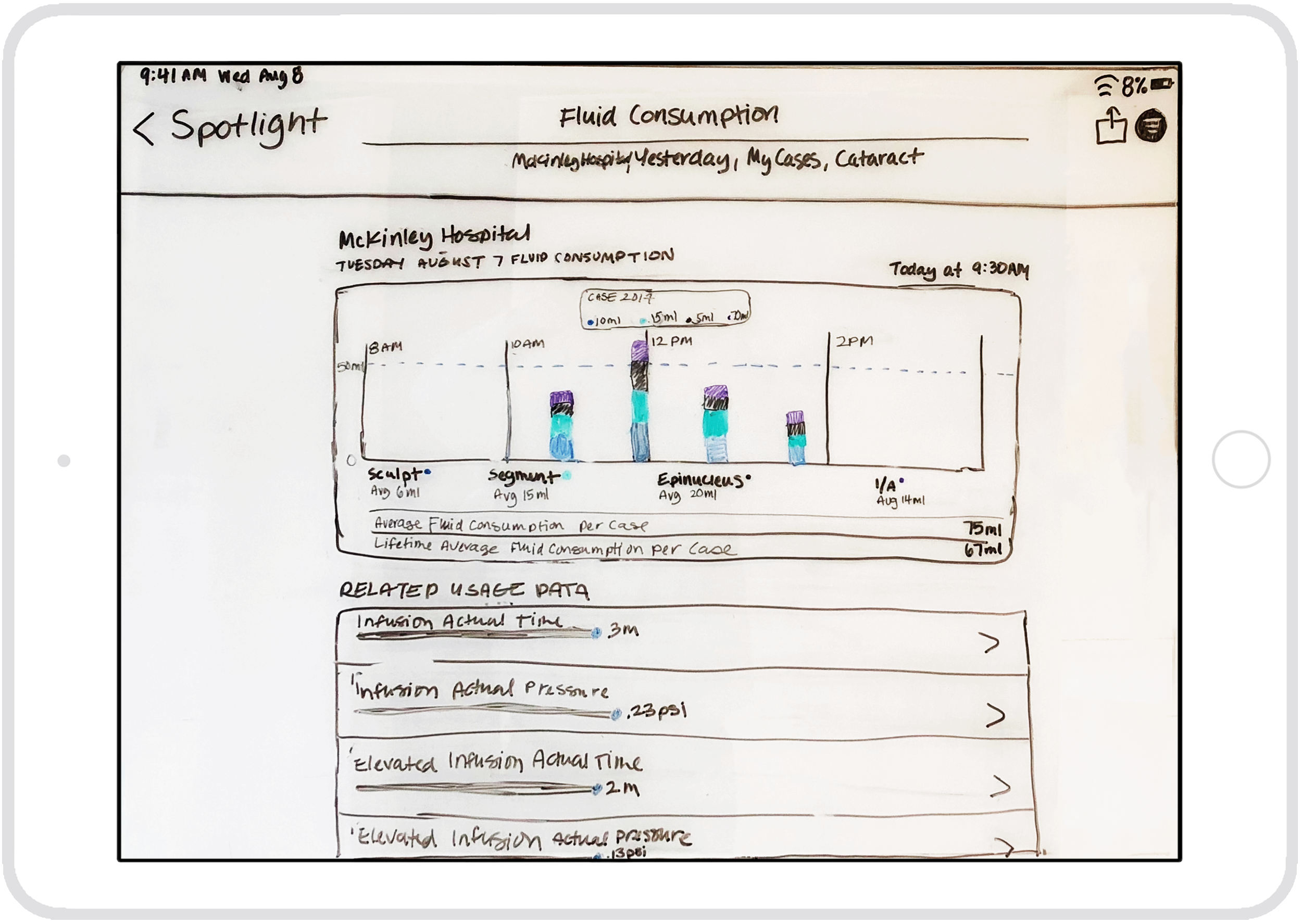


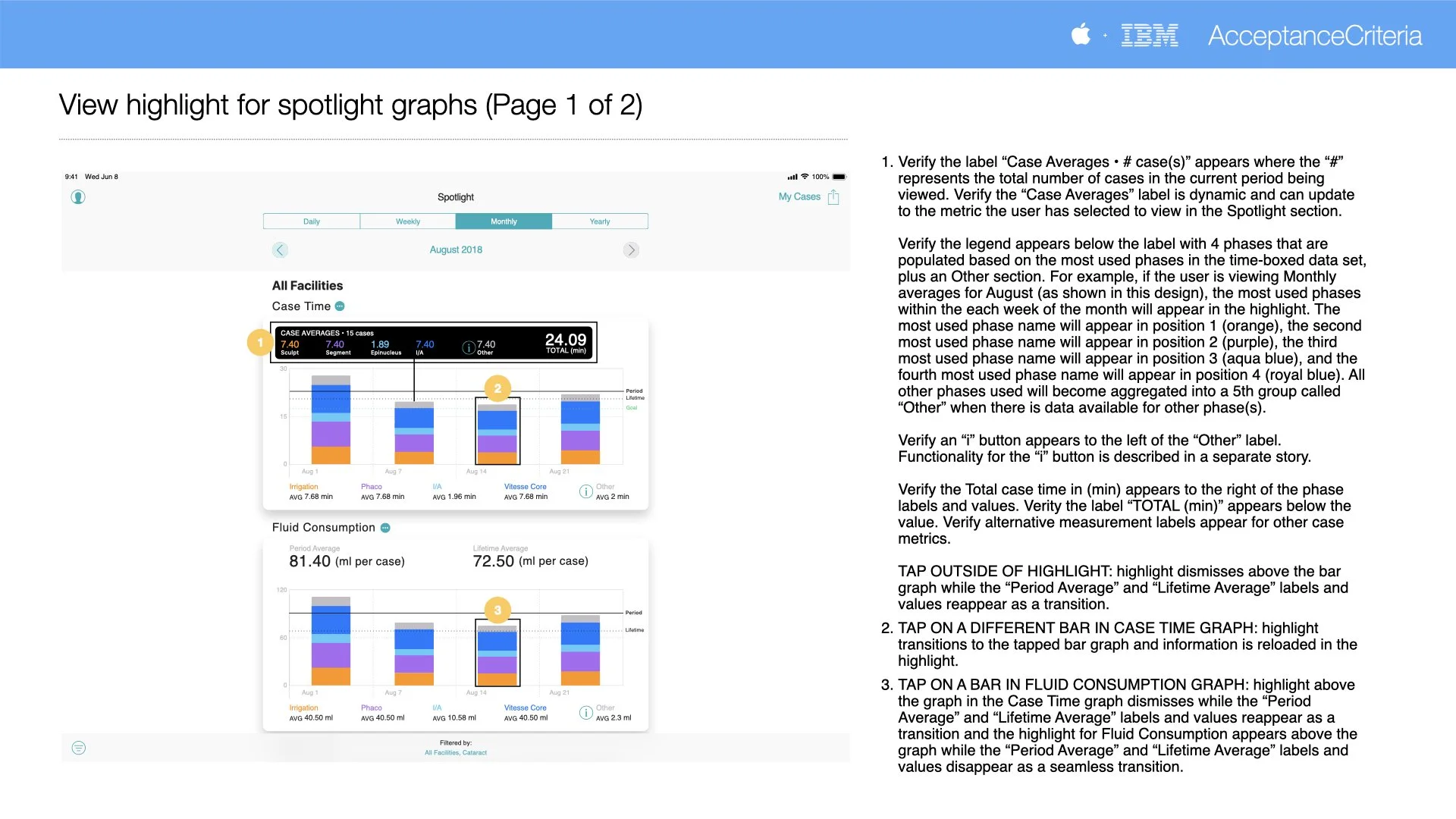
PRECISE DATA MANAGEMENT
Enabling Clinical Analysis
The Surgical Intelligence UI balanced comprehensive functionality with surgical workflow demands. Surgeons needed to quickly identify trends across their practice while being able to drill down into specific cases, procedures, and device metrics when investigating anomalies.
SURGICAL INTELLIGENCE
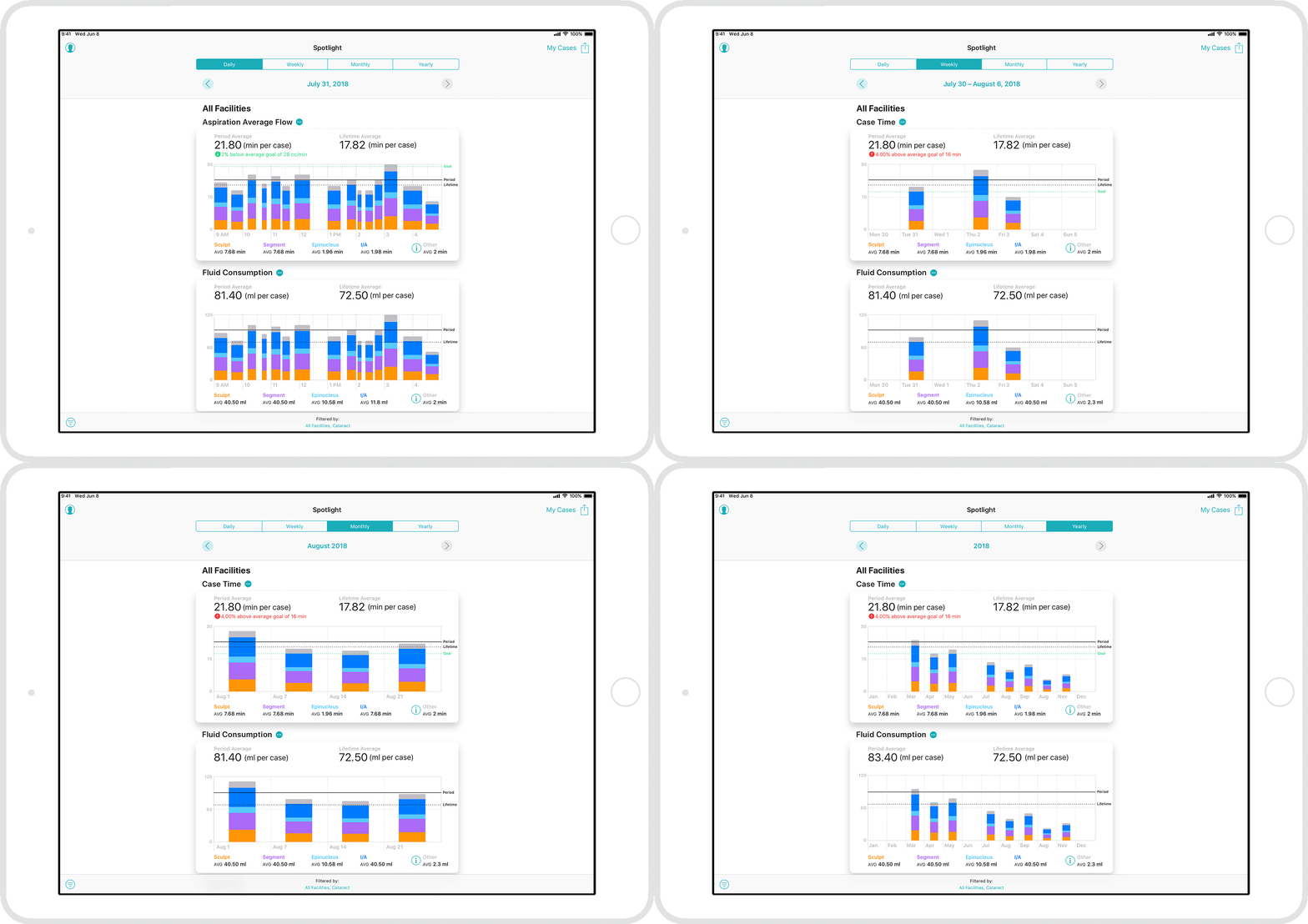
Time-Based Data Analysis
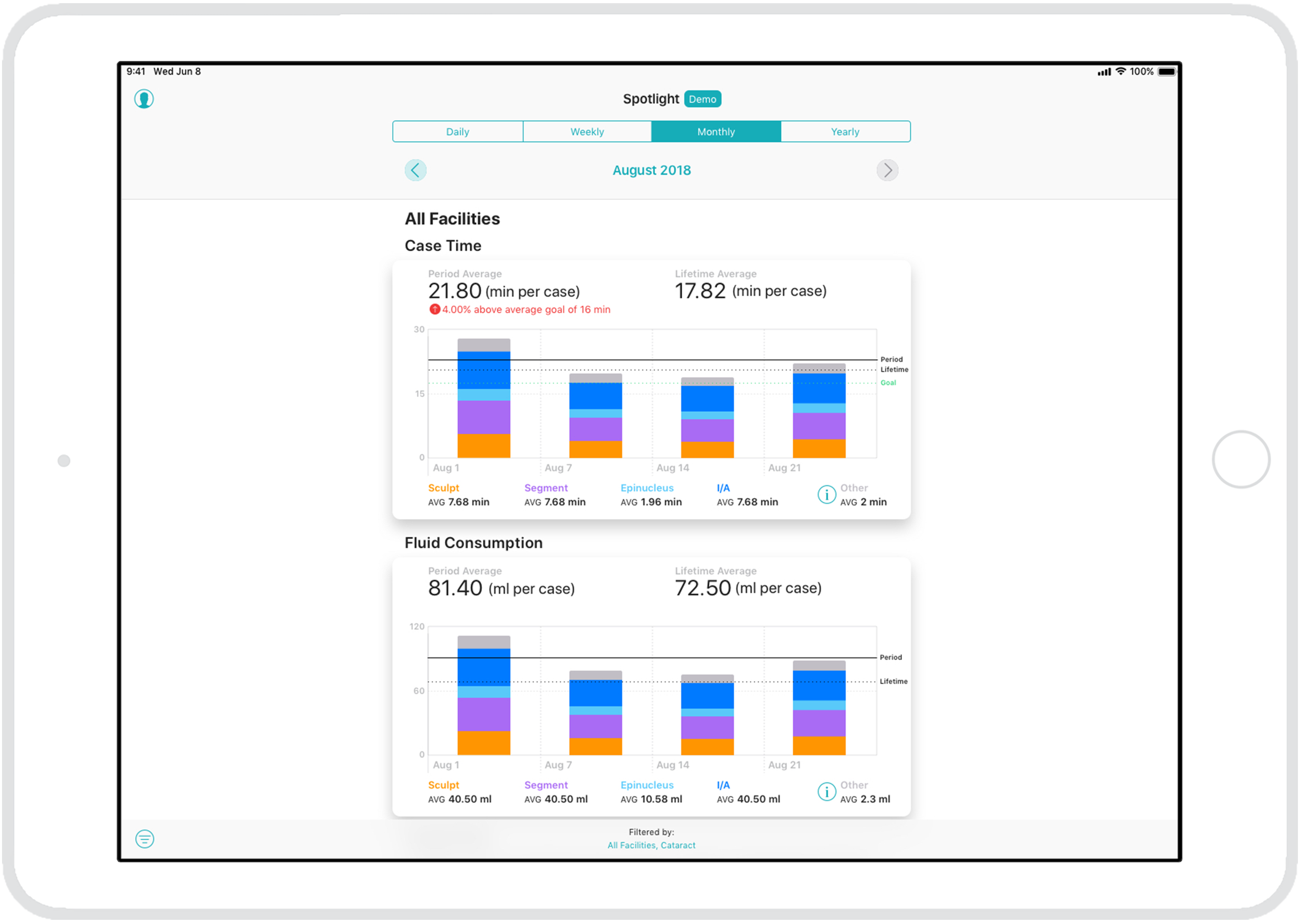
Eye surgeons get a detailed view of data captured by the Stellaris Elite, broken down by the top four surgical phases, over daily, weekly, or yearly periods—via the Spotlight dashboard.
SURGICAL INTELLIGENCE
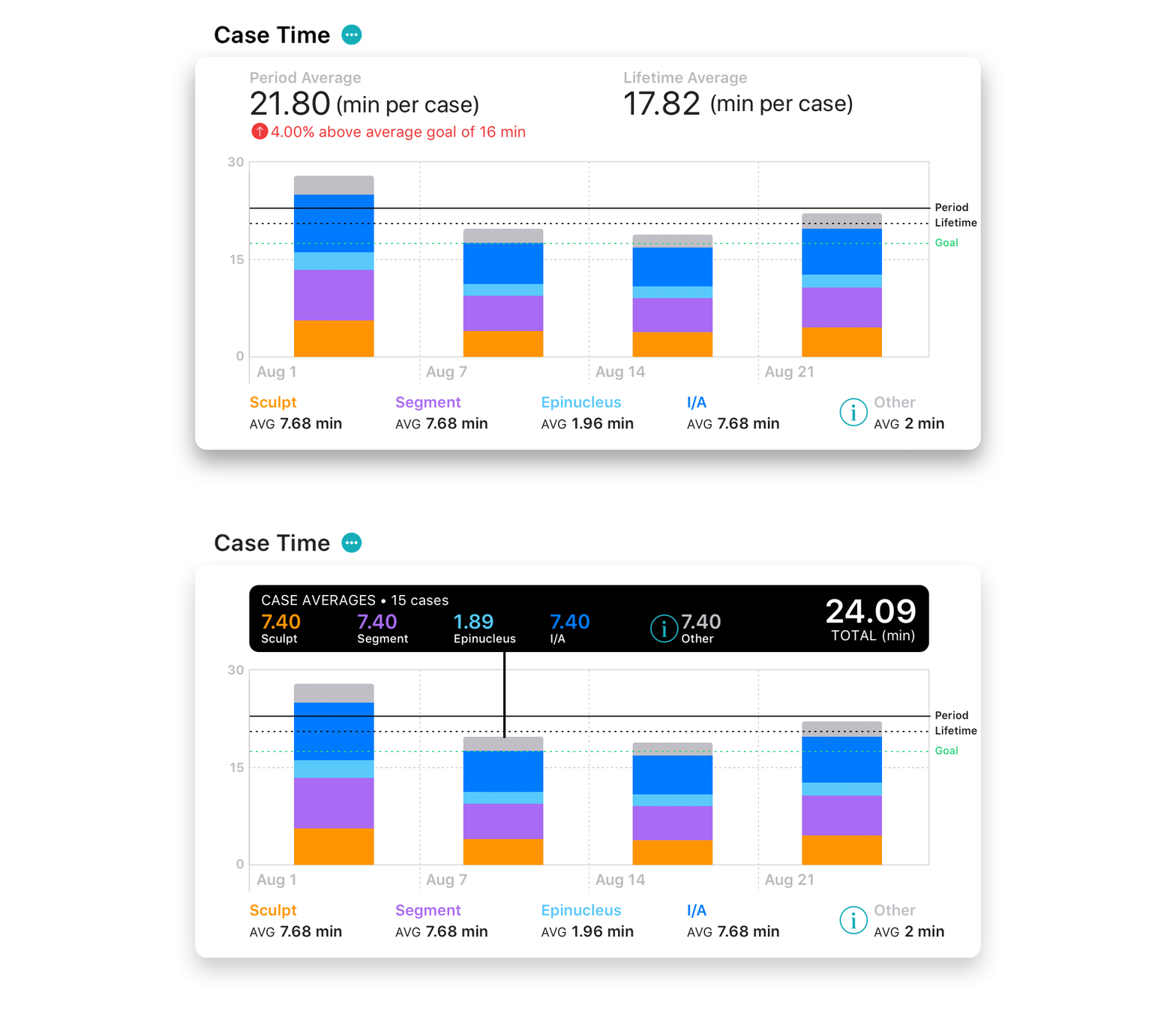
Drill Down to Case Details
View specific details for each metric—including case averages per phase, total average per case, and phase counts for the selected time period.
SURGICAL INTELLIGENCE
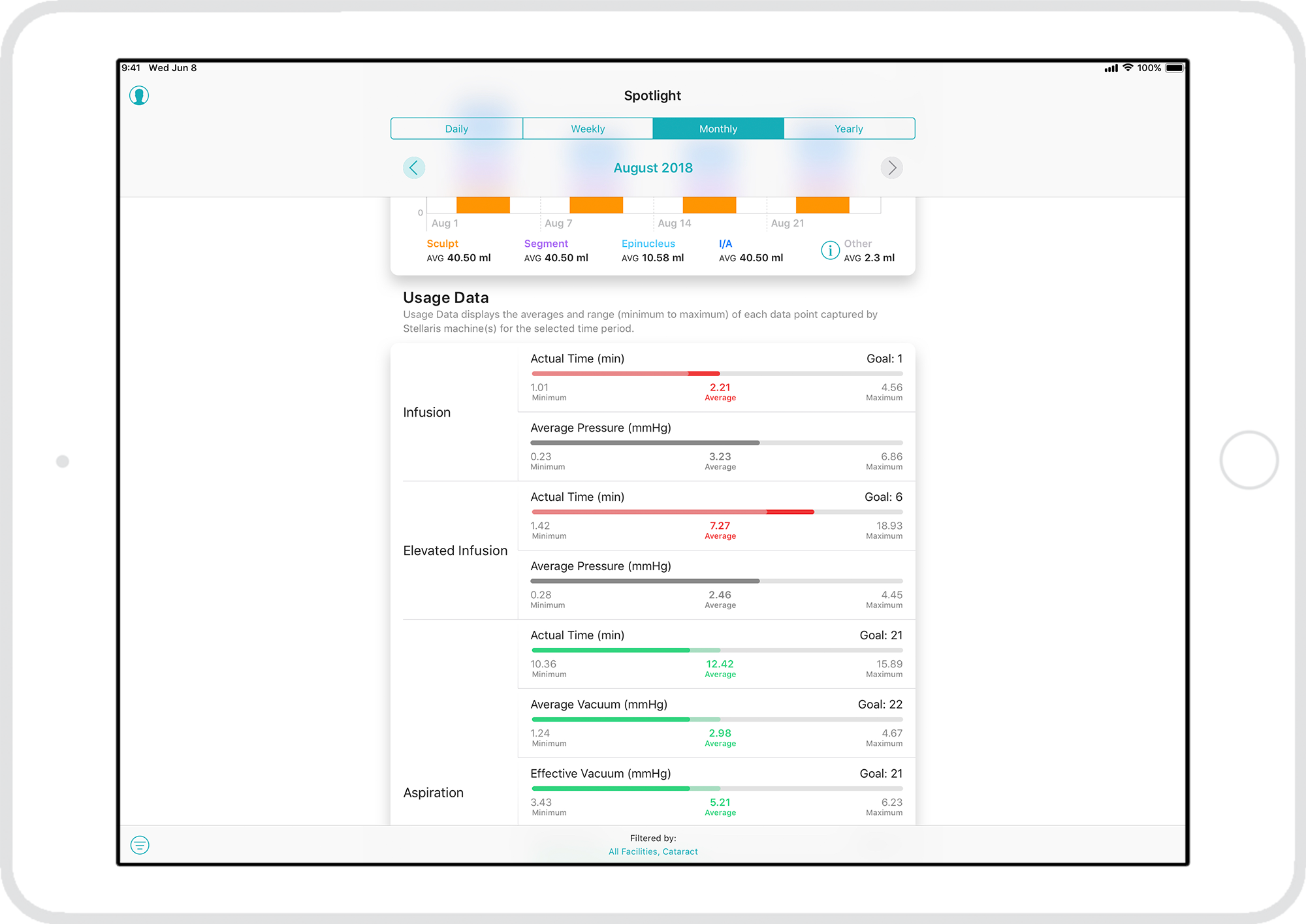
Device Performance Data
Displays averages and ranges (minimum to maximum) for each data point captured by the Stellaris Elite device during the selected period.
Red metrics exceed goal thresholds, green metrics are within goals, and grey metrics have no goals set.
SURGICAL INTELLIGENCE
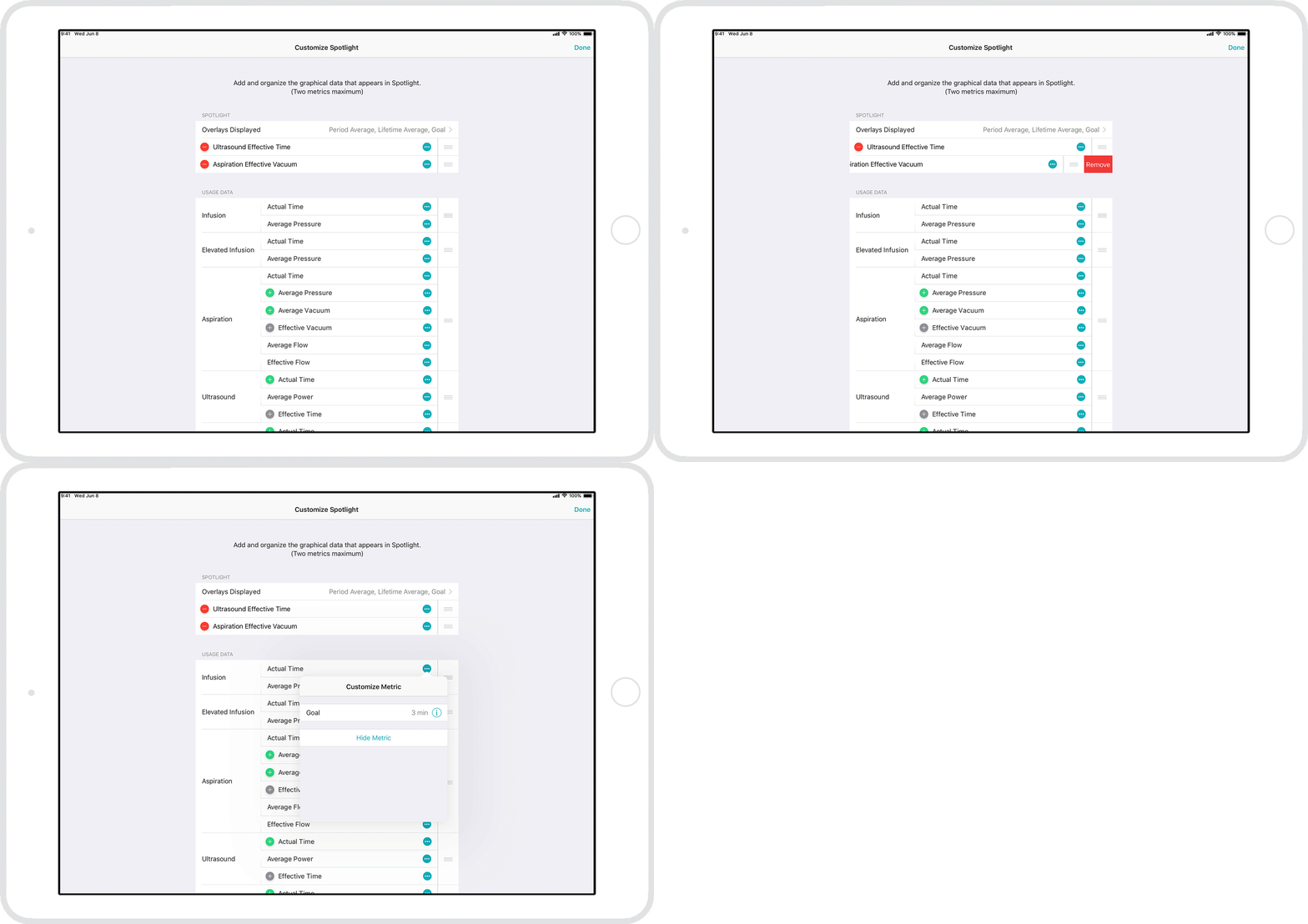
Customizable Dashboard Views
Surgeons can personalize their dashboard by adding, removing, and reordering metrics. Each metric can be configured with custom goals to track performance over time, with visual indicators showing when values exceed targets (red), meet goals (green), or have no goals set (grey). Surgeons control which overlays, data, and goal indicators appear in their view.
SURGICAL INTELLIGENCE
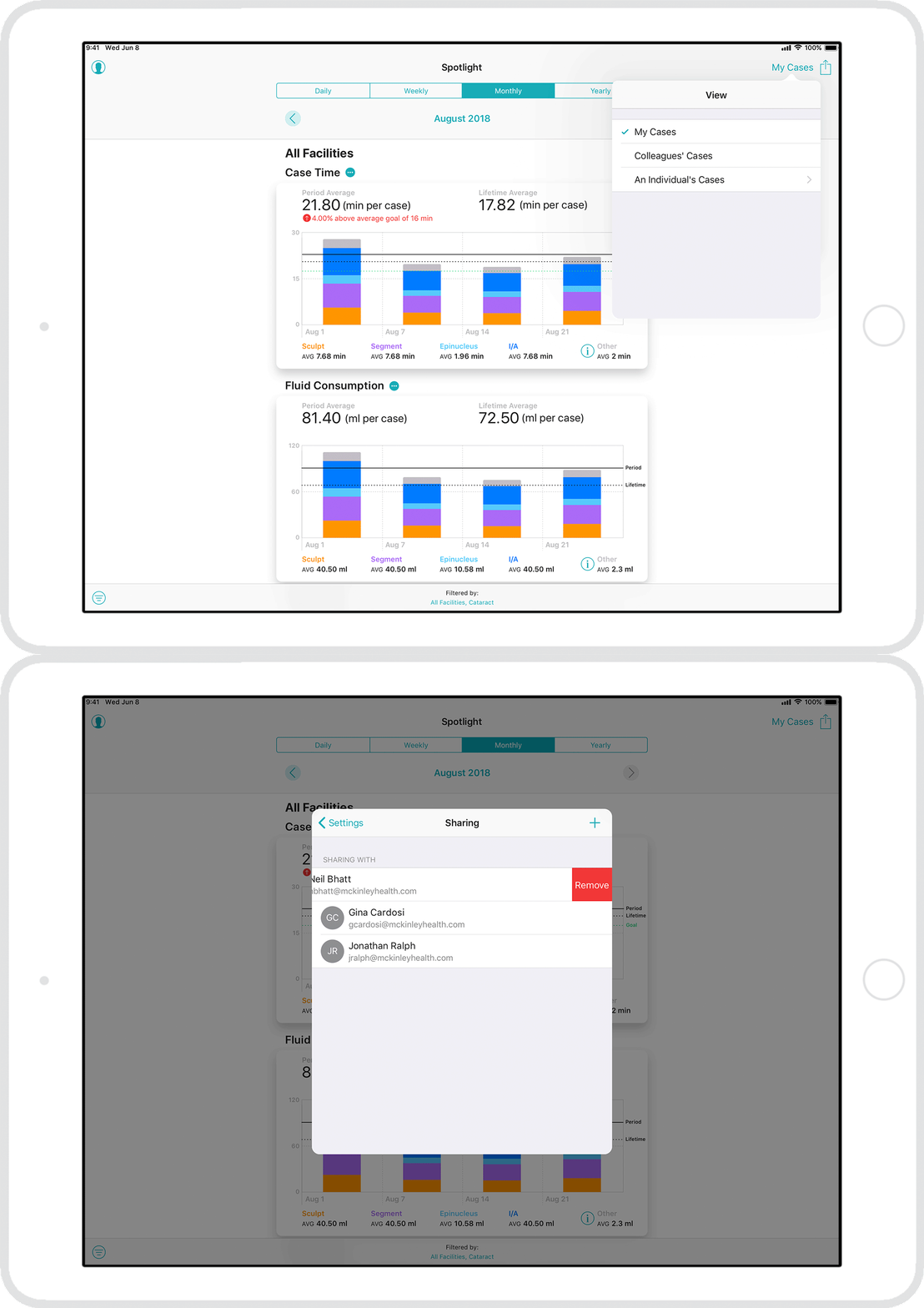
Collaborative Data Sharing
Surgeons can share their data with colleagues and view anonymized group data from their practice. This enables peer comparison, collaborative analysis, and collective insight into surgical trends across the practice.
ENDURING DESIGN
Lasting Impact
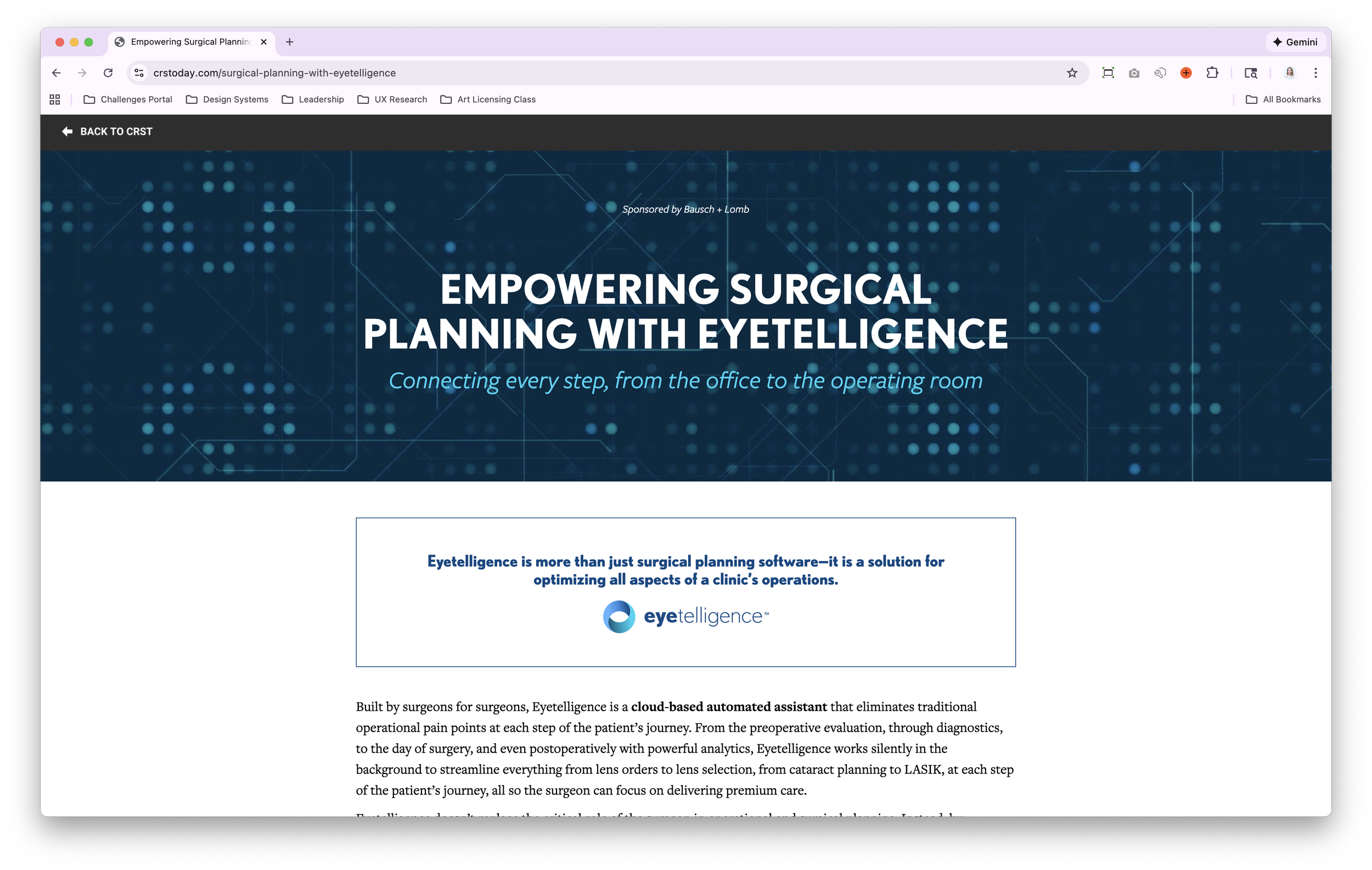
Six years after this project, Bausch + Lomb continues to market Eyetelligence using the workflow framework and user journey concepts I established in 2018. Their current product uses the same preoperative, intraoperative, and postoperative structure, demonstrating how well-researched design foundations endure across individual product iterations.
The terminology, workflow phases, and scenario planning approach from the original discovery work remain central to how they position the product today.

Takeaways

Strategic Discovery Expanded Project Scope
B+L initially wanted a device data dashboard. Through design labs and surgeon research, I identified a larger opportunity: supporting the entire surgical workflow from planning through outcomes analysis. This strategic expansion led to two complementary applications rather than a single-purpose tool.
Designing for Complex Clinical Data
Created visualization systems that made dense surgical data scannable and actionable in high-pressure environments. The interface handled everything from multi-facility trend analysis to real-time device monitoring during surgery, balancing comprehensive functionality with immediate usability.
Structured Methodology Delivered Results
Applied user journey scenarios, rapid prototyping, and agile iteration to move from concept to production-ready application. Won the 2019 IBM IDEA (Innovation & Delivery Excellence Award) for successfully delivering the Surgical Intelligence MVP.
Durable Design Foundations
Six years later, B+L still uses the workflow framework, terminology, and user journey concepts established in this project—demonstrating how strategic research and thoughtful design create lasting value beyond individual product releases.